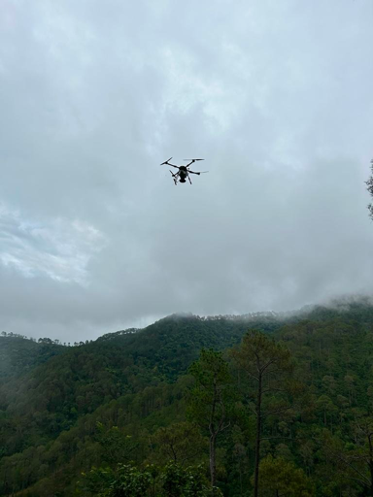
Tree plantation by dropping seed ball through drone
We would like to extend our heartfelt gratitude and appreciation to the Oil and Natural Gas Corporation (ONGC), New Delhi for their invaluable support in executing our CSR project in Sattal, Uttarakhand. With ONGC's assistance, Aashirwad Pashu and Pakshi Sansthan successfully implemented the initiative to drop seed balls of native tree species using drones, contributing to the restoration and conservation of the region's ecosystem.
Please select Button style first.
Introduction The purpose of this project report is to present the findings and outcomes of a seedball plantation initiative conducted in Sattal, Uttarakhand, utilizing drone technology. The project aimed to restore and enhance the natural environment by planting native tree species, including Oak, Himalayan Cedar, and Hisalu, in large numbers. The use of drones facilitated efficient and effective distribution of seedballs, contributing to the success of the plantation project.
Project Objectives The main objectives of the seedball plantation project were as follows:
Restore and enhance the ecological balance in Sattal, Uttarakhand, by planting native tree species in areas which are remote and not manually accessible.
Utilize drone technology to efficiently distribute seedballs in inaccessible or remote areas.
Promote community participation and awareness about the importance of reforestation and biodiversity conservation.
Project Methodology The project followed the following steps to achieve its objectives:
Selection of Native Tree Species Through consultation with local environmental experts and foresters, a list of native tree species suitable for the region was compiled. This list included Oak (Quercus spp.), Himalayan Cedar (Cedrus deodara), Hisalu (Rubus ellipticus), and other indigenous species known for their ecological value and adaptability to the local climate.
Site selection The process of selecting the site involved manually surveying the region, with the help of forest department officials and environmentalists. The sites were chosen keeping in mind two aspects: areas in which forest fires are prominent and areas where soil conditions are favourable for germination, to ensure maximum impact.
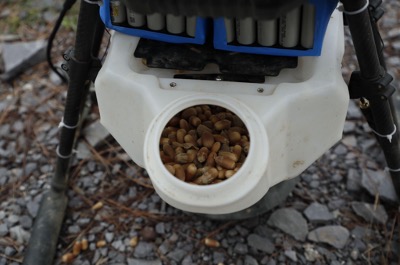
Seedball Preparation Seedballs were prepared using a mix of seeds, clay, organic compost, and water. The seed mixture was carefully selected to include a variety of native tree species. This approach ensured a higher germination rate and increased biodiversity.
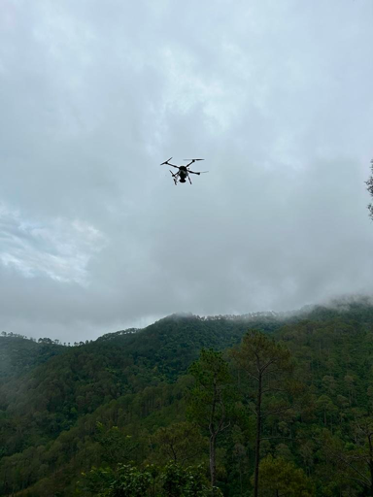
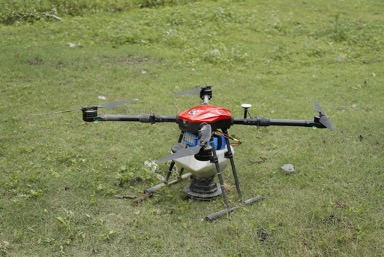
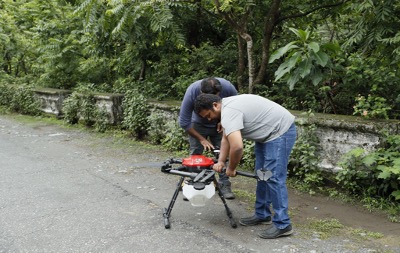
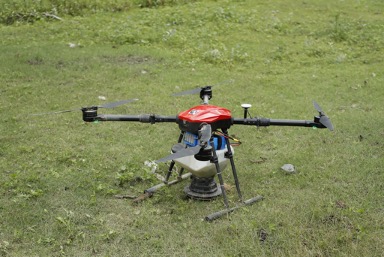
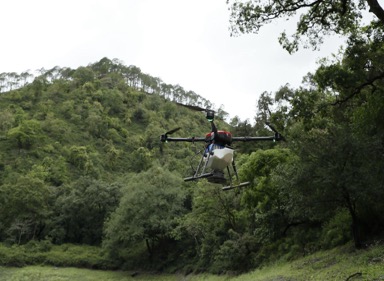
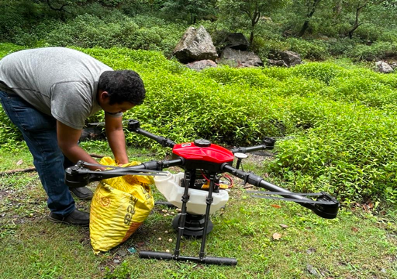
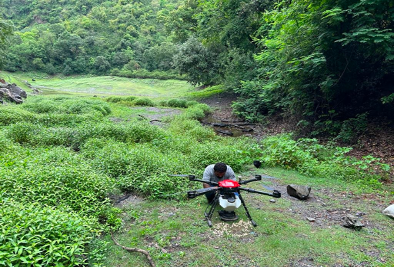
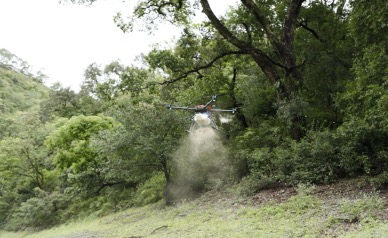
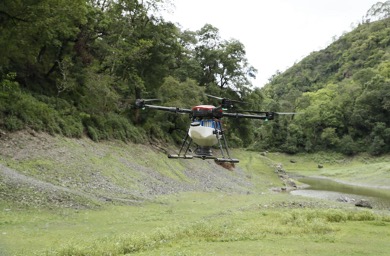
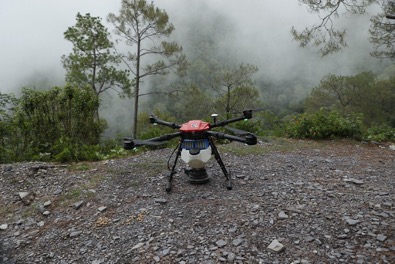
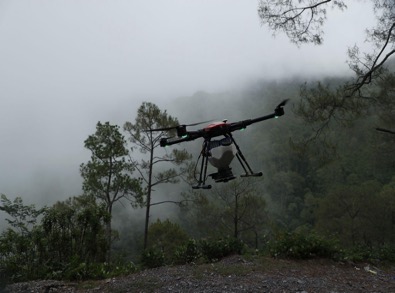
Drone Deployment Drone equipped with seedball dispensers was utilized to distribute the seedballs across predetermined areas in Sattal. The drone technology enabled the plantation team to access difficult or inaccessible terrain, ensuring maximum coverage and minimizing human labour. For deploying the drone, we kept a DGCA licensed drone pilot to ensure all flying protocols were properly followed.
Plantation Execution A team of trained personnel, including local community members, actively participated in the plantation process. The drones were flown over the targeted areas, releasing the seedballs at regular intervals. The team on the ground ensured the proper placement of seedballs in the designated planting spots, optimizing the chances of successful germination.
Post-Plantation Care Following the plantation, regular monitoring and maintenance activities were conducted to ensure the survival and growth of the planted trees. These activities included regular patrol, protection from grazing animals, and periodic evaluation of the survival rates. The Uttarakhand forest department has taken the responsibility of the post-plantation activities.
Project Outcomes and Impact The seedball plantation project in Sattal, Uttarakhand, yielded significant outcomes and positive impacts:
Reforestation and Biodiversity Enhancement The project successfully contributed to the restoration and enhancement of the ecological balance in Sattal. The plantation of native tree species, such as Oak, Himalayan Cedar, and Hisalu, in large numbers helped revive the natural habitat and promote biodiversity conservation.
Efficient and Effective Plantation The use of drones for seedball distribution proved to be highly efficient and effective. Drones provided access to remote and inaccessible areas, ensuring comprehensive coverage of the plantation sites. The utilization of this technology significantly reduced the time and labor required for large-scale planting initiatives.
Community Participation and Awareness The project actively involved the local community, fostering a sense of ownership and responsibility towards environmental conservation. Through awareness spreading in the rural community by collecting seeds and preparation of seedballs through the locals, the project has increased public knowledge about the importance of reforestation, native tree species, and sustainable land management practices. We distributed T-shirts with Aashirwad Pashu Pakshi Sansthan and ONGC logos as a small token of our appreciation towards the community.